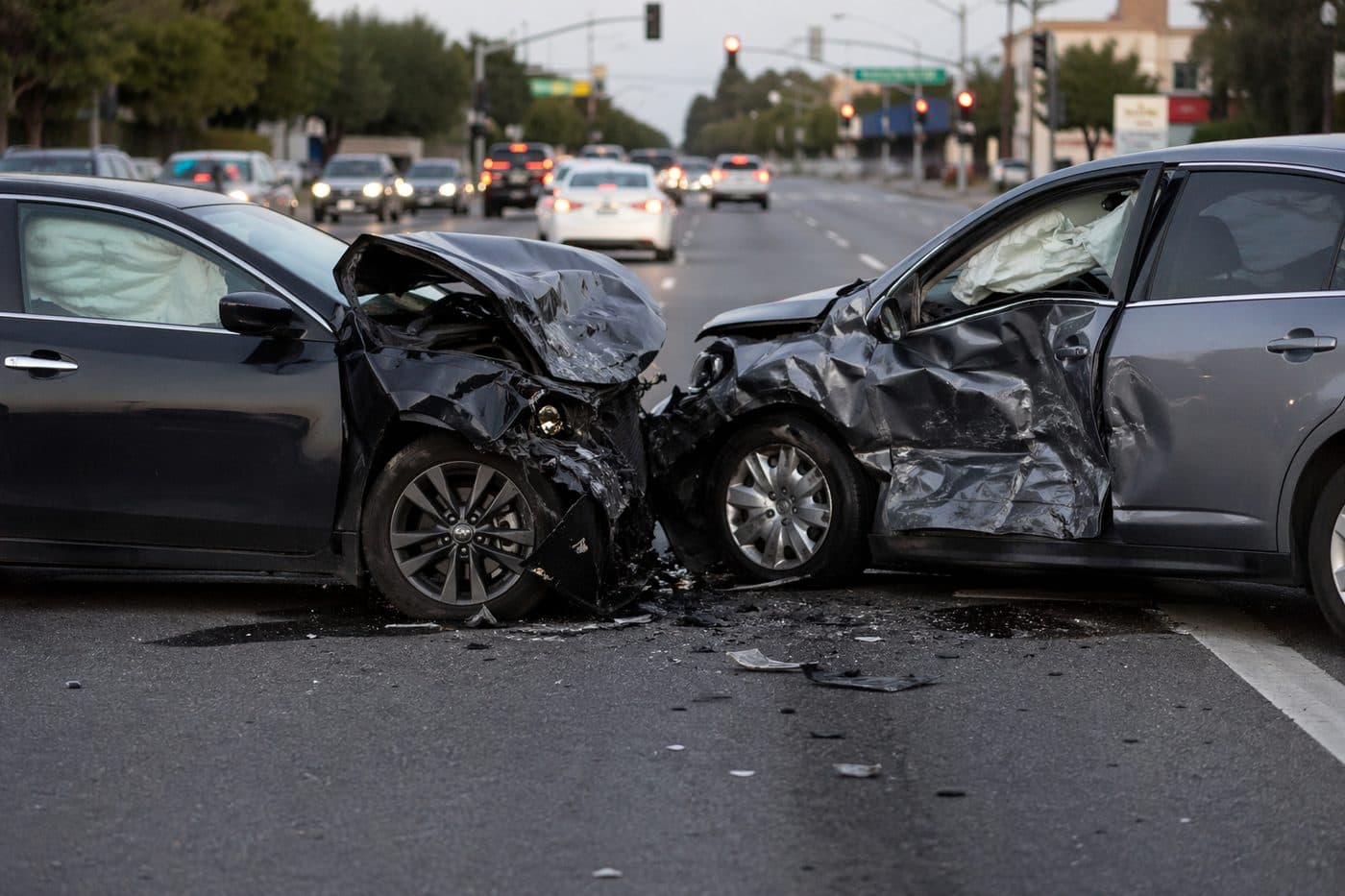


Why Florida crash fatalities peak in March–May — and what it means for your case.
Multi-year FLHSMV data shows fatalities cluster in the spring months. Tourism volume, daylight hours, and in-state school-break travel combine to produce the peak.
Most people assume December — holiday travel, alcohol, rain — is Florida's deadliest month on the roads. The data does not support that assumption.
FLHSMV's multi-year crash dashboard shows fatalities clustering in March, April, and May. The peak is consistent across years and across traffic-death categories: drivers, passengers, motorcyclists, and pedestrians.
Three factors behind the spring peak
- 01Tourist volume. Florida's spring-break and late-winter seasons deliver the state's highest visitor counts. Tourist drivers are statistically more crash-prone than residents — unfamiliar roads, different traffic laws, rental vehicles they have not driven before.
- 02Daylight and dry roads. More daylight and drier pavement produce higher speeds and more miles driven per day. Speed is a linear driver of crash severity.
- 03School-break travel. Florida public and private school calendars put heavy pressure on I-95, I-75, and the Turnpike in March and April — including a large share of teen drivers.
Why seasonality matters to a case
Seasonality is background context, not a defense. But it affects how cases should be investigated. Spring crashes are disproportionately out-of-state driver matters — rental-car coverage, nonresident insurance, and venue issues all come into play. Pedestrian cases in spring correlate with resort areas, where premises-liability issues may overlap with a driver's negligence.
The takeaway
Spring is not the time to drive casually on Florida roads. If you are injured between March and May, do not assume the data favors you just because holiday-season tropes do not apply. The state's deadliest months are already here.